MercoPress. South Atlantic News Agency
Agriculture
-
Thursday, December 11th 2014 - 12:40 UTC
FAO food price index in November remained stable for third month running

FAO's monthly food price index was stable in November, as vegetable oil and grain prices inched up and offset ongoing declines in dairy prices. The Food Price Index averaged 192.6 points, marking the third consecutive month of stability. The Index now stands 13 points, 6.4 percent below its level in November 2013.
-
Tuesday, November 11th 2014 - 21:03 UTC
Projected 2014 cereal production trimmed back despite record maize and wheat harvests
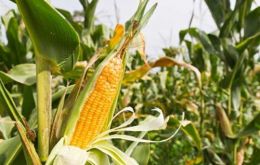
According to FAO's monthly Cereal Supply and Demand Brief release, the forecast for 2014 world cereal production by about one million tons. At 2.5 billion tons, the full-year production figure would be 3.7 million tons below 2013's record output.
-
Monday, November 10th 2014 - 19:28 UTC
FAO's food price index remains stable in October: 'very good for importing countries'

FAO's monthly food price index was stable in October, as sugar and vegetable oil prices rose to offset declines in dairy and meat prices. The Food Price Index dipped to 192.3, technically, its seventh consecutive monthly decline, but a marginal 0.2% drop from the revised September figure.
-
Thursday, November 6th 2014 - 07:37 UTC
US soybean crushers claim Argentine export taxes distort the market

The American Soybean Association, the National Oilseed Processors Association and the North American Export Grain Association sent comments last week to the U.S. Trade Representative identifying significant barriers to U.S. exports, particularly on the trade distorting impact of Argentine Differential Export Taxes, or DETs, and the artificial advantage provided to soybean products exported from that country.
-
Friday, October 24th 2014 - 04:20 UTC
Argentine farmers agree release grains following accord with government

Argentine grain exports will total US$5.7 billion in the fourth quarter of the calendar year, the CIARA and CEC chambers promised on Wednesday, after seemingly successful negotiations with the government of President Cristina Fernandez that is eager to inject much-needed export dollars into the economy.
-
Friday, October 10th 2014 - 06:13 UTC
Bumper harvests and stockpiles driving down cereal prices, says FAO report
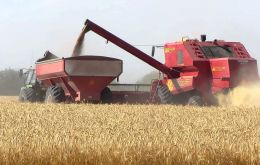
Food markets are more stable and prices for most agricultural commodities are sharply lower than they have been in recent years, according to the latest edition of FAO's biannual Food Outlook report and a new update to the Organization's monthly Food Price Index.
-
Monday, September 29th 2014 - 09:09 UTC
Record soybean and wheat crops forecasted by the International Grains Council
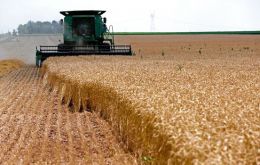
The 2014-2015 season’s soybean and wheat crops are on track to set records, while rice and corn look poised to be more in line with last season’s record crops, according to the International Grains Council's September Grain Market Report.
-
Friday, September 19th 2014 - 07:19 UTC
Brazilian 2013/14 grains and oilseeds crop reached a record 195.46 million tons

The Brazilian production of grains in 2013/2014 has reached 195.46 million tons, according to the country’s National Supply Company, Conab. The number is a 3.6% (6.8 million tons) increase compared to the previous season.
-
Saturday, September 13th 2014 - 07:11 UTC
World cereal production forecasted to be a record in 2014, according to FAO
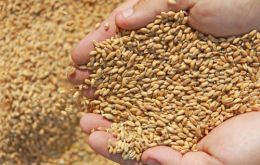
FAO's Food Price Index is a trade-weighted index that measures prices of five major food commodities on international markets: in addition to sub-indices for prices of cereals, it also tracks meat, dairy products, vegetable oils, and sugar.
-
Friday, September 12th 2014 - 01:39 UTC
Singapore Olam will invest 80m in dairy processing facility in Uruguay
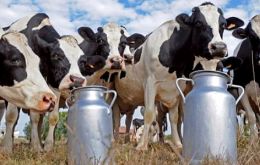
Singapore based Olam International's wholly-owned subsidiary New Zealand Farming Systems Uruguay will be investing 80 million dollars to establish a new dairy processing facility in Uruguay.
