MercoPress. South Atlantic News Agency
Agriculture
-
Saturday, September 17th 2011 - 05:07 UTC
Mercosur consolidates as leading soybean region with 52% of world’s production
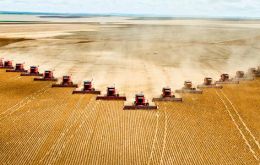
In twelve years Mercosur has consolidated as the leading region in soybean production with 52% of the world crop and the potential to further expand area and yields.
-
Monday, September 12th 2011 - 05:35 UTC
Latest estimates indicate Brazil is heading for another record grains crop

Brazil latest harvest (2010/2011) should reach 162.9 million tons of grains and oilseeds establishing a new record according to the latest release by the National Supplies Company, Conab.
-
Thursday, September 8th 2011 - 22:24 UTC
World food prices hold steady at near record; cereals climb further, says FAO

World food prices remained virtually unchanged between July and August 2011 according to the FAO Food Price Index published Thursday. The Index averaged 231 points last month compared to 232 points in July. It was 26% higher than in August 2010 but seven points below its all-time high of 238 points in February 2011.
-
Thursday, September 8th 2011 - 05:49 UTC
Mercosur/Asia soy-market forum project brings together leading experts

Experts from South America, US, Europe, India and China will be discussing next week in Rosario, Argentina the possibility of an Asia-Mercosur grains and oilseeds market in which soybeans will be playing the leading trade role.
-
Sunday, September 4th 2011 - 23:31 UTC
Blockaded by Argentina, Falkland’ plans to grow its own vegetables and eggs
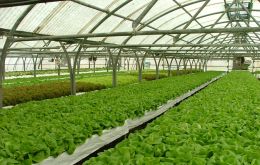
A quarter of million pounds (approximately 400.000 dollars) is to be used to produce more fruit, vegetables, salad and hen eggs within the Falkland Islands. The Executive Council (ExCo) agreed the funding which is to be administered by the Development Corporation (FIDC) in a bid to reduce the amount of imports into the Islands.
-
Wednesday, August 31st 2011 - 21:21 UTC
US grain farmers furious with Argentina and Canada advance in the Colombia market

Argentina has rapidly displaced the US as the main supplier to Colombia of corn and in near future wheat, with volumes soaring from 99.000 tons in 2007 to over 2.2 million tons currently, points out Agrimoney.
-
Wednesday, August 31st 2011 - 08:40 UTC
Freezing weather reduces Brazil’s sugar crop estimate

Sugar output in Brazil, the world’s largest producer and exporter, will unexpectedly fall this year after freezing weather pared crop yields, the Agriculture Ministry said on Tuesday.
-
Tuesday, August 23rd 2011 - 06:23 UTC
Brazil’s main producer of soy beans is the Argentine group El Tejar
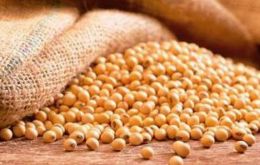
Guess who is the main producer of soy beans in Brazil, the country that is the world’s second exporter of oilseed behind the United States?, a Brazilian, no an Argentine group.
-
Monday, August 22nd 2011 - 07:28 UTC
Argentina expected to approve the use of Bayer GM soy-seeds
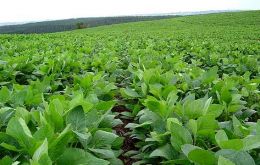
Mercosur full member Argentina this week is expected to approve the use of genetically-modified soy seeds made by German company Bayer as part of its push to increase farm production, a top Argentine official said on the weekend.
-
Saturday, August 20th 2011 - 06:21 UTC
Corn boom forecasted in Argentina as the grain most resilient to quotas’ system
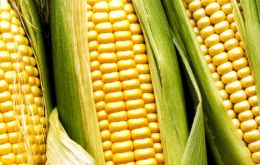
Argentina is undergoing a “corn planting boom” because of its more diversified market opportunities which help to ease the full impact of the export quotas system imposed by the government of Cristina Fernandez.
