MercoPress. South Atlantic News Agency
Argentina
-
Thursday, January 14th 2021 - 09:53 UTC
Argentina's jiggers begin the squid season on Saturday

Argentina's squid season takes off next Saturday, Jan 16, south of parallel 44, according to the Federal Fisheries Council. The decision follows a technical-scientific report from the country's research institute, Inidep, which emphasized that jiggers can begin operating on the Spring Spawning Stock, (SDV), and avoiding the South Patagonic Stock.
-
Monday, January 11th 2021 - 09:54 UTC
Portugal wants quick ratification of EU/Mercosur deal, but there are many objections

Portugal which last week took the rotating presidency of the European Union for six months as of January 1st, said that it will try to conclude the bloc’s free trade agreement with Mercosur, agreed in 2019 after two decades of negotiations that have not yet been finalized.
-
Monday, January 11th 2021 - 09:45 UTC
Rich Argentines fly to Miami to get the Covid vaccinations: Florida residents complain
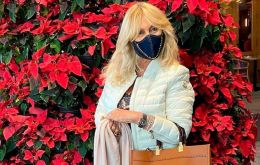
Residents of foreign countries have obtained COVID vaccinations in Florida, taking advantage of the state’s loose rules on who can get a shot. The list includes a prominent Argentine lawyer, business leaders, and Canadians whose home countries restrict vaccines to first-responders, medical personnel, and a few other groups.
-
Monday, January 11th 2021 - 09:42 UTC
Argentina lifts ban on corn exports to a daily cap of 30.000 tons
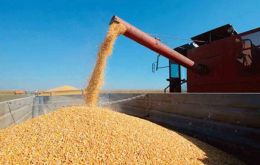
Argentina has lifted a suspension on corn exports announced in December and will opt instead for a temporary 30,000 tons daily cap on sales abroad, its agriculture ministry said on Monday, backing off the more restrictive measure that had infuriated farmers in the South American grains powerhouse.
-
Saturday, January 9th 2021 - 09:59 UTC
Argentine economy forecasted to expand 5,5% this year, but inflation will remain close to 50%

Argentina's economy is expected to grow 5,5% in 2021, after a contraction of about 12% last year due to the COVID-19 pandemic, with inflation seen ending the year at 49.8%, according to a survey of economists by the central bank released on Friday.
-
Thursday, January 7th 2021 - 08:58 UTC
Argentina confirms lacks of dollars: limits the import of luxury goods

The central bank of Argentina on Wednesday imposed a new rule limiting the import of foreign luxury goods as part of its effort to stanch the leakage of its own international currency reserves.
-
Wednesday, January 6th 2021 - 09:31 UTC
Argentina's country risk rises to 1,417 points; investors fear economic measures
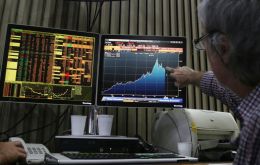
Argentina's country risk reached a maximum of 1,417 basis points on Tuesday, reflecting investors' fears about the behavior of the domestic economy and doubts about the international situation of the markets, traders told Reuters.
-
Tuesday, January 5th 2021 - 09:44 UTC
President Xi pledges a comprehensive strategic partnership with Argentina

Chinese President Xi Jinping said that China stands ready to work with Argentina to promote high-quality Belt and Road cooperation and advance the building of a community with a shared future for mankind.
-
Tuesday, January 5th 2021 - 09:36 UTC
Dry weather threatens southern Brazil and eastern Argentina
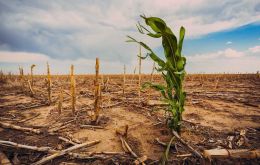
Dry weather across some of the major producing regions in South America is putting upward pressure on corn and soybean prices at the start the new year. Dryness is expected to continue through the short term across southern Brazil and especially in the main-producing states in Argentina.
-
Monday, January 4th 2021 - 05:15 UTC
Argentina's grain inspectors' union expect to reach a salary agreement this Monday

Argentina's grain inspectors' union, Urgara, said on the last day of 2020 that its members will continue to strike over the weekend after failing to strike a wage deal despite two meetings with the Chamber of Private and Commercial Ports (CPPC).