MercoPress. South Atlantic News Agency
Economy
-
Saturday, December 15th 2018 - 09:27 UTC
Falklands-Buenos Aires link: Argentina awards license and route to low-cost airline

The Argentine government awarded low-cost airline Flybondi a 15-year license to exploit 284 domestic and international routes, including one that potentially can link Buenos Aires directly with the Falkland Islands.
-
Saturday, December 15th 2018 - 09:20 UTC
Euro falls on disappointing French and German economic prospects

The Euro has fallen against the dollar after disappointing French and German economic surveys dismayed the markets. In France, private sector business activity contracted for the first time in two and a half years as the “gilets Jaunes” protests took their toll.
-
Saturday, December 15th 2018 - 08:49 UTC
Apple pledges to build a “Silicon Valley” in Texas: US$ 1bn investment

Apple has announced plans to build a new campus in Austin, Texas, saying the project will involve a one-billion-dollar investment. The company already has an existing base in the city. The iPhone-maker said it expected the latest move would eventually make it in the state's capital biggest private employer.
-
Saturday, December 15th 2018 - 08:36 UTC
Brazil prepared if global soy market normalizes, following the US/China spat
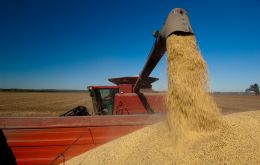
Brazil is prepared in the event China removes tariffs on U.S. soy, which had driven down prices for the oilseed in Chicago and driven up the premiums over U.S. prices paid for Brazilian beans, outgoing Agriculture Minister Blairo Maggi said on Friday.
-
Saturday, December 15th 2018 - 08:26 UTC
Ignore the siren voices calling us to the rocks of No Deal

By Amber Rudd, Work and Pensions Secretary (*) - Brexit is in danger of getting stuck – and that is something that should worry us all. If MPs dig in against the Prime Minister’s deal and then hunker down in their different corners, none with a majority, the country will face serious trouble.
-
Friday, December 14th 2018 - 09:05 UTC
US confirms China's first purchase of soybeans since the start of the trade war
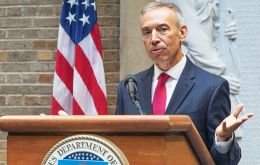
The United States government officials on Thursday hailed China's first meager purchase of U.S. soybeans since its trade war with the United States began in July and said they hoped for, but could not guarantee, more to come.
-
Friday, December 14th 2018 - 09:03 UTC
ECB confirms it's ending the massive bond-buying scheme
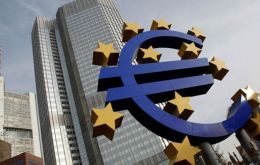
The European Central Bank has confirmed it is ending its huge net asset purchase program to stimulate the Eurozone economy this month. The ECB has stopped its bond-buying scheme, worth €30bn a month, despite a recent slowdown in the bloc's recovery.
-
Friday, December 14th 2018 - 08:58 UTC
Travel group Tui profits up on rise in hotel and cruise bookings

A rise in hotel and cruise bookings has helped European travel group Tui sail through another year with more than 10% growth in profits. It said next year, profits would grow a similar amount as customers also bought more excursions and holiday activities. Tui has seen double-digit growth for the last four years.
-
Friday, December 14th 2018 - 08:54 UTC
A third of the Argentine population is considered poor
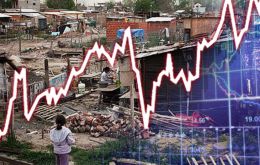
Poverty in Argentina has risen to its highest in eight years, a new report has revealed, with more than a third of the population now considered to be poor. The new survey, from the Catholic University of Argentina's Social Debt Observatory, found that 33.6% of Argentines were living below the poverty line in the third quarter of the year.
-
Friday, December 14th 2018 - 08:45 UTC
EU leaders tell Theresa May that Brexit deal is “not open for renegotiation, only clarifications”
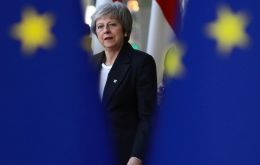
European Union leaders have said the Brexit withdrawal agreement is “not open for renegotiation”, despite appeals from Theresa May. She wanted legal assurances on the Irish backstop to help her deal get through Parliament after she delayed a Commons vote in anticipation of defeat.