MercoPress. South Atlantic News Agency
Energy & Oil
-
Thursday, April 19th 2018 - 08:12 UTC
Drilling near the mouth of the Amazon banned by Brazil's environmental regulator
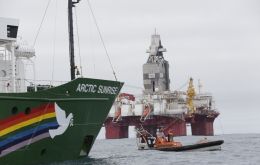
The public prosecutor’s office in the northern state of Amapá recommended on Wednesday that Brazil’s environmental regulator Ibama deny French major Total a license to drill for oil near the mouth of the Amazon.
-
Thursday, April 12th 2018 - 07:57 UTC
Icebreaker Irizar returns from its first Antarctica campaign in ten years
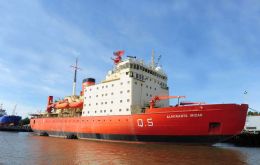
Argentina's icebreaker Almirante Irizar is back in Buenos Aires at the end of its first Antarctic campaign in ten years, following the fire that almost knocked the Finnish built vessel out of action. She left on 26 December and completed 107 days in the high seas and Antarctica's ice.
-
Tuesday, April 10th 2018 - 08:55 UTC
Temer names trusted official a Mines and Energy minister, ahead of decisive privatizations
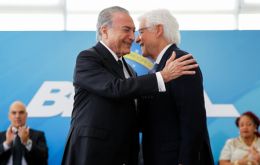
Brazil’s President Michel Temer named Wellington Moreira Franco to take over the Mines and Energy Ministry, a key portfolio that includes overseeing the proposed privatization of Centrais Eletricas Brasileiras SA (Eletrobras).
-
Sunday, April 8th 2018 - 21:16 UTC
What does the new Falklands ‘Islands Plan’ mean for South America?

Over the past decade it is has become customary for a newly elected Legislative Assembly in the Falkland Islands to publish an ‘Islands Plan’. As there are no political parties in the Falkland Islands, all eight members of the Assembly are independents. Therefore there is no collective manifesto when elected to office. This has traditionally been addressed via a consensus-based Islands Plan.
-
Friday, April 6th 2018 - 09:31 UTC
Chile and Argentina open offshore project, east of Magellan Strait to increase gas and oil production
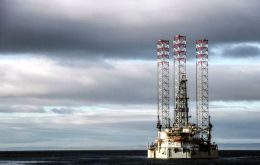
The state-run energy firms of Chile and Argentina said on Wednesday they had inaugurated a US$ 354 million project to increase production of natural gas off the southern tip of South America.
-
Thursday, April 5th 2018 - 09:29 UTC
Falklands included in Italy's Edison divesting of its oil and gas unit
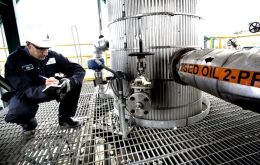
Italian energy group Edison, part of French utility EDF, is preparing the sale of its oil and gas unit, the latest power producer to abandon fossil fuels to focus on its retail business, four industry sources said, and quoted by Reuters. Its oil and gas unit includes interests in the Falkland Islands.
-
Wednesday, April 4th 2018 - 08:42 UTC
Brazil extends oil and gas surveying in southern Campos and Santos Basins
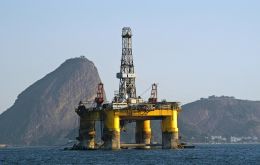
Geoscience data for oil and gas exploration and production company, TGS said it has obtained the Brazil Southern Basins SeaSeep project in the Campos and Santos Basins, offshore Brazil.
-
Tuesday, April 3rd 2018 - 18:56 UTC
The Kirchners' most trusted official caught in the Odebrecht corruption web

An Argentine judge has charged ex president Cristina Fernandez de Kirchner former planning minister in a case involving Brazilian company Odebrecht. Argentina's official Judicial Information Center says that Julio De Vido was charged Tuesday with carrying out incompatible deals while in public office.
-
Monday, April 2nd 2018 - 08:50 UTC
China preparing to begin paying for imported oil with the Yuan
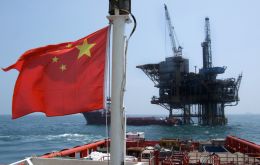
China is taking its first steps towards paying for imported crude oil in Yuan instead of the U.S. dollar, according to Reuters, a key development in Beijing's efforts to establish its currency internationally.
-
Tuesday, March 27th 2018 - 09:42 UTC
The World's Biggest Investors Have Lost $436 Billion In 2018

Wall Street is shocked, but it shouldn't be: Tariffs targeting China should have been a given, and now the market's tanking on trade war fears as if it just crept up on everyone, but Trump's been very clear on this.