MercoPress. South Atlantic News Agency
Mercosur
-
Monday, December 26th 2011 - 18:07 UTC
“Except for Malvinas, we have a very good dialogue with the UK”, says Almagro

Leaving aside the current diplomatic situation with the UK because of the Uruguayan government decision to bar Malvinas’ flagged vessels from local ports, “we have a very good dialogue with Great Britain” said Uruguayan Foreign Affairs minister Luis Almagro.
-
Monday, December 26th 2011 - 17:25 UTC
“Falkland Islands don’t want to join Argentina”
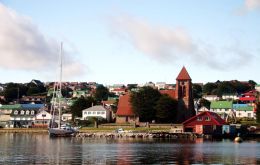
From Monday's Globe and Mail (*)
The Falkland Islands, a windswept archipelago in the South Atlantic Ocean, are a British Overseas Territory, and have been since 1833. The 3,000 inhabitants of this Island are proud to be British subjects, and no amount of Argentine huffing or puffing will change that. -
Monday, December 26th 2011 - 17:23 UTC
ARA Belgrano was heading to the Falklands, secret papers reveal

By Thomas Harding, The Telegraph Defense Correspondent. The following article referred to the major naval incident of the Falklands’ conflict was published Monday 26 December. Top secret papers are set to prove that the warship ARA Belgrano was heading into the Falkland's exclusion zone when it was sunk in May 1982, and not heading back to port as the Argentines claimed.
-
Monday, December 26th 2011 - 11:27 UTC
“People must know full facts” about Argentina’s intentions in the Falklands

Many Members of Parliament and in the Lords, from all parties, are totally committed to standing up for the Falkland Islands and rebutting the actions of Argentina, according to Conservative MP Andrew Rosindell and Secretary of the Falkland Islands Group in Westminster. He added people must know the true facts and intentions behind Argentina’s actions.
-
Monday, December 26th 2011 - 11:21 UTC
Falklands’ flagged vessels: Spanish fishermen call on Madrid to fight Argentine blackmail
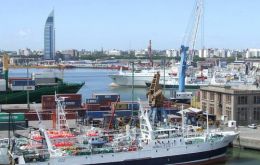
The President of the Spanish Association of Marine Fishing Officers (Aetinape), José Manuel Muniz, has asked the new Spanish government to get involved and act against the pressure placed on Falklands-flagged vessels by the Argentines, according to an article in the Galician newspaper Faro de Vigo, which examined the Spanish reaction to the ban on the entry of Falklands flagged vessels to Mercosur ports.
-
Monday, December 26th 2011 - 11:18 UTC
The Guardian: “Britain is asleep over Argentina and the Falklands”

In a piece published last week in London daily The Guardian, and referred to the recent Mercosur support for Argentina in the Falkland Islands dispute, Richard Gott argues that a new scenario has emerged with South America growing in strength, increasingly united and no longer looking to Europe for support and advice which means a different framework for the Falkland Islands s sovereignty dispute.
-
Saturday, December 24th 2011 - 03:47 UTC
Merry Christmas from MercoPress

MercoPress wishes a happy holiday season to all its readers.
-
Friday, December 23rd 2011 - 21:25 UTC
Falklands’ flagged vessels conflict: Almagro and Hague agree they remain in disagreement

Uruguayan Foreign Affairs minister Luis Almagro spoke Friday on the phone with Foreign secretary William Hague for the first time since the Falklands/Malvinas’ flagged vessels controversy, but both sides apparently could only agree that the situation remains stalled according to brief statements
-
Friday, December 23rd 2011 - 18:27 UTC
Barring Falklands’ flagged vessels in “more symbolic than anything else”, says Uruguay port authority

Mercosur latest decision to bar all Falkland Islands flagged vessels from entering its ports is “more symbolic” than anything else because a change of flag is enough, according to Uruguay’s Ports Authority, ANP President Alberto Díaz.
-
Friday, December 23rd 2011 - 18:26 UTC
Two Argentine private charter planes land in the Falklands with 14 passengers

The Falkland Islands weekly Penguin News reports in its last edition that two Argentine aircraft carrying fourteen passengers for a cruise ship docked in Stanley landed last Saturday in the Islands Mount Pleasant Airport.