MercoPress. South Atlantic News Agency
Tag: Brazil soybean
-
Tuesday, November 29th 2016 - 08:37 UTC
Brazil anticipates soy exports of 60m tons and 30m tons of corn from 2017
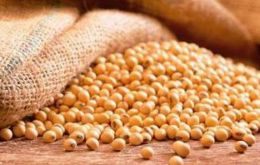
Brazil is getting ready for a blockbuster 2017 harvest and booming exports, amid favorable weather forecasts, according to recent estimates. With a plentiful harvest expected, Brazil’s National Grain Association predicts grain exports will rebound, with soybean exports of 60 MT in 2017, compared with some 51 MT for 2016. Corn exports will increase to 30 MT, compared with some 18.5 MT in 2016, the association reported.
-
Wednesday, November 16th 2016 - 08:55 UTC
Brazil and Argentina crop and yield estimates on the increase
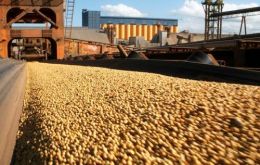
Brazil and Argentina production estimates are going up, but hailstorms ruined soybean and corn crops in Argentina’s Santa Fe Province. However, La Niña is forecast to be relatively mild this year, according to NOAA forecasters.
-
Tuesday, July 5th 2016 - 07:31 UTC
Brazil manages US$23.6bn trade surplus in the first half of the year

Brazilian exports exceeded imports by US$23.6 billion in the first half of the year - a record for the period. In addition to the basic products, sales grew strongly with the sale of vehicles for Latin America. The data were released by the Ministry of Industry Trade and Services.
-
Tuesday, June 14th 2016 - 08:32 UTC
Brazil and Argentina crop problems raise demand for US supplies

Domestic supplies of corn and soybeans will be tighter than expected in the United States as problems with crops in Brazil and Argentina have raised demand for U.S. supplies from overseas buyers, the U.S. Agriculture Department. In its latest monthly supply and demand report, the government cut its new-crop and old-crop ending stocks outlooks for both corn and soybeans by more than analysts had forecast.
-
Monday, February 22nd 2016 - 08:28 UTC
Brazil heading for a record crop of 100 million tons of soybeans
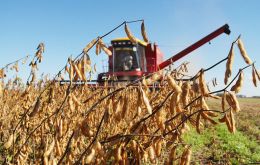
As the soybean harvest gets under way in Brazil, analysts are having a clearer picture of whether the forecast record-setting crop will hit the century mark of 100 million tons despite hot and dry weather in Mato Grosso and northeastern Brazil as pods set and fill.
-
Saturday, January 16th 2016 - 10:00 UTC
US Dept of Agriculture studying Brazil's success as an agricultural powerhouse

Over the last 25 years, the US farmer has become increasingly aware of the impact of South American agricultural output on the global supply of grains and oilseeds. For example, in recent years Brazil has risen to the number one position as an exporter of soybeans.
-
Tuesday, December 15th 2015 - 08:36 UTC
Brazil in recession, but farming is booming with the 29% fall of the Real

Financial and political turmoil that have Brazil on the brink of a depression is also contributing to one of the best years ever for domestic farmers. Economic stress and a weak currency has facilitated export revenue for everything from soybeans to beef to coffee.
-
Monday, December 14th 2015 - 08:17 UTC
Brazil's harvest for 2016 estimated at 209.3 million tons, slight drop from 2015
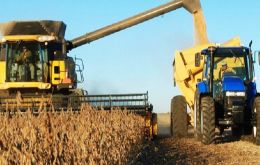
Brazil's harvest in 2016 will reach 209.3 million tons, which is 0.5% less than in 2015 according to the estimates from the Brazilian stats institute, IBGE. The fall is related to less crops of oilseeds, cereals and legumes in the centre west of the vast country, which is also the main farming area, as well as in the north.
-
Thursday, November 12th 2015 - 10:04 UTC
Brazil increases soybean forecast output to 102.8m tons for the 2015/16 season
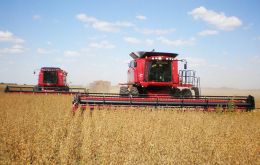
The Brazilian government increased its forecasts for what’s already expected to be a record season for soybean output and exports as farmers expand the planted area while yield prospects rise on above-average rainfall.
-
Tuesday, November 10th 2015 - 06:33 UTC
FAO food commodity prices rose in October 3.9%, but 16% down from a year earlier
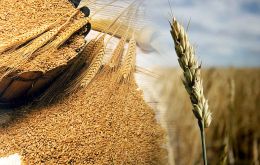
The FAO Food Price Index averaged nearly 162 points in October, up 3.9% from September, while still down 16% from a year earlier. FAO's latest Cereal supply and Demand Brief slightly trimmed its October 2015 forecast for global cereal production and now projects production at 2.53 billion tons, 1.1% below last year's record output