MercoPress. South Atlantic News Agency
Tag: Cuba
-
Tuesday, June 14th 2011 - 02:46 UTC
Venezuelan president recovering in Cuba says he is in “full capacities”

Venezuelan President Hugo Chavez said Monday he had his “full faculties” after an operation in Cuba and was still managing government affairs despite being ordered to rest for several days more.
-
Wednesday, June 8th 2011 - 06:26 UTC
Relatives of Cuban political prisoner Zapata Tamayo leave with his ashes for Miami
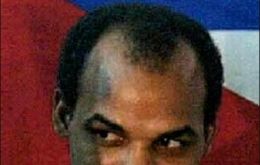
The body of political prisoner Orlando Zapata Tamayo, whose death by hunger strike last year provoked international criticism of Cuba was exhumed for cremation Tuesday, his family said, enabling them to take his remains when they emigrate to the United States.
-
Wednesday, June 8th 2011 - 06:01 UTC
One way Cubana airline tickets to jail for 14 Cubans and a Chilean ring master
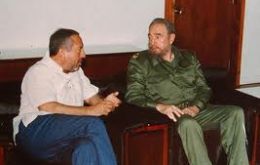
A Cuban court has convicted 14 government officials and businessmen and a Chilean entrepreneur for corruption and bribery involving the state-owned airline and a tourism agency.
-
Saturday, June 4th 2011 - 06:35 UTC
Raul Castro completes the octogenarian club to rejuvenate Cuban leadership
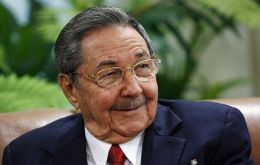
Cuban President Raul Castro turned 80 on Friday, vowing to rejuvenate the country's aging leadership and its sagging economy.
-
Monday, May 30th 2011 - 02:52 UTC
National Ballet of Cuba and the legendary Alicia Alonso on US month long tour

The National Ballet of Cuba plans to deliver a “message of peace” when it starts its first United States tour in eight years, said renowned director, Alicia Alonso. The visit is expected to last one month.
-
Sunday, May 29th 2011 - 20:00 UTC
Cuba “needs more than ever church blessings” to support reforms, says Raul
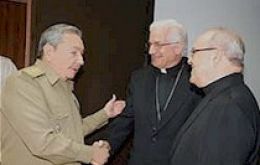
President Raul Castro said that Cuba currently “needs more than ever the blessings from its evangelic churches” to keep advancing with the reforms to update the exhausted economic model of the last fifty years, according to reports in the official Havana media.
-
Monday, May 23rd 2011 - 00:31 UTC
Over 300.000 Cubans have opted to work in the private sector as ‘self-employed’
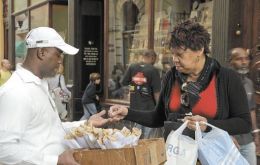
The number of Cubans working in the private sector continues to rise and now includes over 300,000 as a result of President Raul Castro government’s economic reforms that have been implemented since last October.
-
Thursday, May 19th 2011 - 07:46 UTC
Eurolat lawmakers call for freedom in Cuba and fair elections in Venezuela
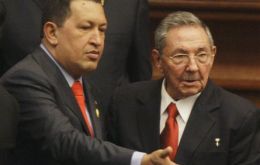
Lawmakers from the European Union and Latin America meeting in Uruguay approved two resolutions on the lack of freedoms in Cuba and on the coming electoral process in Venezuela.
-
Tuesday, May 17th 2011 - 06:05 UTC
Cuba announces small private businesses can hire and fire labour
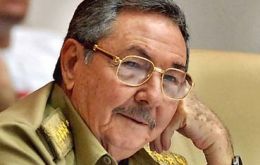
Cuba has given all small businesses the authority to hire (and fire) labour and will loosen other regulations governing private enterprise as part of the broader measures to reform the island’s economy and boost production, the government said in a statement.
-
Thursday, May 12th 2011 - 06:28 UTC
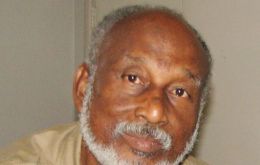
Cuban blacks and mulattos the main victims of Raul Castro’s reforms
Cuban blacks and mulattos will suffer the most with the elimination of a million government jobs, which could easily become a racial problem, consequence of the radical reforms imposed, and ‘must be addressed as a priority’, points out a report from Cuban academic Esteban Morales.