MercoPress. South Atlantic News Agency
Tag: oil price
-
Monday, December 29th 2014 - 20:09 UTC
Did The Saudis And The US Collude In Dropping Oil Prices?
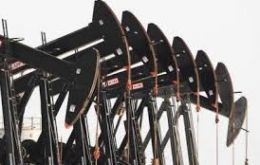
The oil price drop that has dominated the headlines in recent weeks has been framed almost exclusively in terms of oil market economics, with most media outlets blaming Saudi Arabia, through its OPEC Trojan horse, for driving down the price, thus causing serious damage to the world's major oil exporters – most notably Russia.
-
Monday, December 22nd 2014 - 08:48 UTC
Oil price may slump to US$ 20... or then again maybe not

Market analysts describes two possible international scenarios. Whichever one prevails will be decisive. But it is not happenning soon.
-
Thursday, December 11th 2014 - 12:46 UTC
Falling world oil prices shatter Argentine stocks for second day running

Argentine stocks closed down 6.85% Wednesday, weighted down by falling oil prices for a second day of heavy losses. As oil prices sank to new five-year lows, the Merval stock index in Buenos Aires shed more than 600 points to 8,279.04, after losing 7.22% Tuesday.
-
Thursday, December 4th 2014 - 05:51 UTC
Falling oil prices comes as a blessing for dollar-short Argentina

The slump in global oil prices will reduce Argentina's energy import bill by several billion dollars, a development that could ease pressure on the Central Bank’s strained foreign-currency reserves, according to Economy minister Axel Kicillof.
-
Wednesday, December 3rd 2014 - 09:25 UTC
Russian ruble suffers its biggest one day skid since 1998
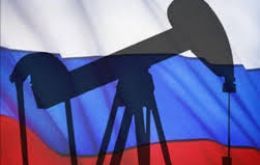
The Russian ruble suffered on Tuesday its biggest one-day decline since 1998 as oil prices continued to fall on Monday, escalating fears about the Russian economy. The currency slid almost 9% against the dollar before rallying after suspected central bank intervention.
-
Friday, November 28th 2014 - 06:23 UTC
Oil price plunges as OPEC decides against cutting output despite world glut

Brent and US crude oil plunged as much as 6.50 dollars a barrel on Thursday, the steepest one-day falls since 2011 following on OPEC's decision against cutting output despite a huge oversupply in world markets.
-
Friday, November 14th 2014 - 07:27 UTC
Falklands accepts Premier's 'realistic solution' to current world oil price environment

The Falkland Islands Government said on Thursday it took notice of the announcement by Premier Oil of their revised proposal for commercial oil production in the Falkland Islands, which “it is considered represents a realistic solution to progress development in the current international oil price environment”.
-
Friday, November 14th 2014 - 07:13 UTC
Early signs of a pullback in drilling activity
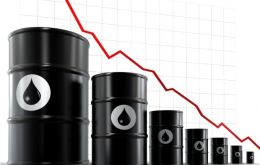
With oil prices low and showing no sign of an immediate rebound, the industry is beginning to pull back on spending. Oil prices have dropped around 30% since summer highs, raising fears among producers across the globe.
-
Thursday, November 13th 2014 - 05:44 UTC
Crude price falls to a three year low, created by shale boom and Libya restart

West Texas Intermediate, WTI crude closed at a three-year low on Wednesday with prices under pressure from the growing oil glut created by the U.S. shale boom and the restart of Libya's largest operational oilfield.
-
Friday, October 17th 2014 - 06:53 UTC
Russia's Gazprom forecasts oil at 70 dollars a barrel in the short term

The global oil market slump looks likely to continue, with prices possibly nearing 70 dollars a barrel in the short term, an official of Russian gas producer Gazprom said. Crude fell more than on dollar a barrel on Thursday to a four-year low below 83 a barrel as growing concerns over the global economy stretched a four-month rout.