MercoPress. South Atlantic News Agency
Agriculture
-
Wednesday, August 12th 2020 - 09:58 UTC
Brazilian Parana state abattoirs facing repeated outbreaks of Covid-19

A single BRF SA unit accounted for about 29% of COVID-19 cases at slaughterhouses in Brazil’s Parana state, according to the most recent data available, underscoring the challenges for stemming outbreaks at meat plants.
-
Wednesday, August 12th 2020 - 09:19 UTC
Far East absorbs all the pork Brazil can produce; in July exports soared 48% over a year ago

According to the Brazilian Association of Animal Protein, (ABPA), in July, Brazilian pork exports (both fresh and processed) totaled 100,400 tons – 47.9% higher than in the same period of 2019, with 67,900 thousand tons. In revenue terms, the total balance of July reached US$203.1 million, a figure 37.3% higher than that registered in July last year, at US$147.9 million.
-
Wednesday, August 12th 2020 - 08:27 UTC
Brazilian commodities exports booming: corn shipments exceed soybean
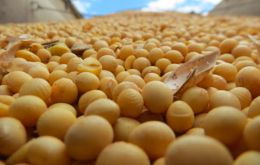
Data released on Monday by Brazil' Foreign Trade Secretariat (Secex) indicates that corn exports reached 2 million tons in the first week of August and exceeded soybean shipments in this period.
-
Tuesday, August 11th 2020 - 09:40 UTC
Brazilian food processor JBS hiring additional workers in many plants plagued with the coronavirus
Food processor JBS SA is hiring 5,200 additional workers in Brazil, seeking to boost output in a key export base while fending off the threat of the novel coronavirus, which disrupted some its plants in the second quarter.
-
Tuesday, August 11th 2020 - 09:35 UTC
Record export of Brazilian beef in July; China becomes the insatiable client
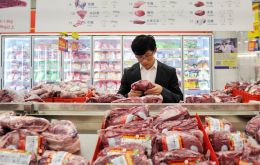
Brazilian beef exports including fresh and processed products reached a monthly record of 194,093 tons during July, up 17% from the same month a year ago, according to the Brazilian Slaughterhouse Association (Abrafrigo).
-
Monday, August 10th 2020 - 06:59 UTC
Canola price boom in Canada despite China not buying directly

Canadian canola prices have soared to the highest in nearly two years, despite a diplomatic dispute between Ottawa and Beijing, as exporters find roundabout ways to reach top oilseed buyer China.
-
Saturday, August 8th 2020 - 07:20 UTC
Brazil estimates record soybean crop of 130,5 million tons in 2021; wheat imports could climb to 7,3 million tons

Brazilian soybean production is expected to increase some five million tons in the 2020/21 harvest to a record 130,5 million tons, according to Daniel Amaral, chief economist of the Brazilian Association of Vegetable Oil Industries (Abiove). Based on this crop oilseed exports could reach 80 million tons in 2021, while domestic crushing could reach a new annual record of 45 million tons.
-
Thursday, August 6th 2020 - 09:21 UTC
Destruction of Beirut port silos leaves Lebanon with only a month of wheat

Lebanon’s main grain silo at Beirut port was destroyed in a blast, leaving the nation with less than a month’s reserves of the grain but enough flour to avoid a crisis, the economy minister said on Wednesday.
-
Tuesday, August 4th 2020 - 10:20 UTC
Ship with Brazilian soybeans arrives in China with several crew members Covid-19 tested positive
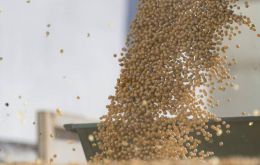
According to the Agricensus Agency, a load of Brazilian soy exported to northern China was detained on July 25 because ten crew members aboard a ship from Rio Grande do Sul have tested positive for Covid-19.
-
Saturday, August 1st 2020 - 06:27 UTC
Brazil expects a record soybean harvest of 130 million tons
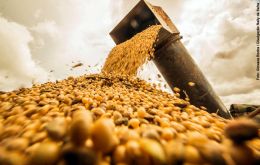
Brazil’s soybean production in 2020/21 is expected to jump to a record 130 million tons, with good prices driving farmers to increase planting in pasture areas after a drought reduced the harvest in the south of the country in 2019/20.
