MercoPress. South Atlantic News Agency
Antarctica
-
Thursday, December 3rd 2020 - 08:58 UTC
BAS celebrates Antarctica Day promoting polar science to classrooms in UK, US and Canada
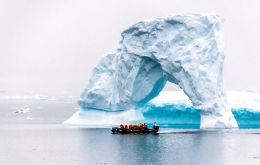
British Antarctic Survey (BAS) celebrated Antarctica Day in 2020 on December first, with a series of activities to highlight the importance of Antarctic research and operations during a year that marked the 200th anniversary of the discovery of the continent.
-
Friday, November 27th 2020 - 09:28 UTC
Falklands approves “Spirit of Sydney” expedition transit call to fly passengers back to UK
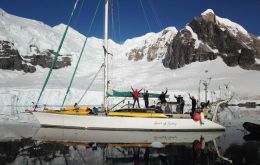
On Wednesday 25 November, the Falkland Islands ExCo approved a proposal by the Spirit of Sydney expedition cruise vessel operator to transmit a small number of people back to the UK via the Falklands in late January 2021.
-
Wednesday, November 25th 2020 - 09:00 UTC
Chile building its own polar vessel, Antarctica I, to replace icebreaker Oscar Viel
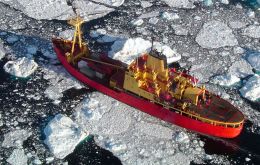
Construction of the Chilean Navy's new polar ship at the ASMAR Talcahuano Shipyard is 35% advanced according to official information. The ship, being built under the name of Antarctica I project, will replace the Navy's current icebreaker Oscar Viel. She will perform logistic support activities for Antarctic operators, both domestic and foreign, performing tasks such as transporting people and materials, removing garbage and providing food and fuel.
-
Thursday, November 19th 2020 - 09:02 UTC
South Georgia & the South Sandwich Islands Celebrates Inaugural Polar Pride Day
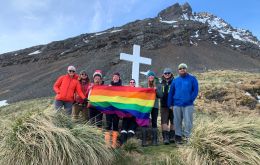
On 18 November the Government of South Georgia & the South Sandwich Islands (GSGSSI) and the Government of the British Antarctic Territory (BAT) are celebrating the inaugural Polar Pride Day. This day demonstrates a commitment to support and enhance Diversity in Polar Science.
-
Friday, November 6th 2020 - 09:19 UTC
Humpback whales are back in South Georgia, after almost extinction a century ago
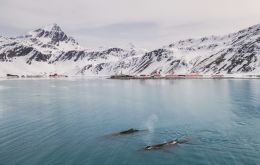
A new study shows the welcome return of humpback whales to the waters around the sub-Antarctic island of South Georgia after a century of commercial whaling decimated their populations. The study is published in the journal Endangered Species Research this week and is good news for whale conservation.
-
Friday, November 6th 2020 - 09:16 UTC
RRS James Clark Ross left Harwich for summer mission in Antarctica
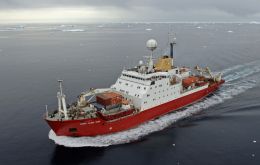
The RRS James Clark Ross left the Port of Harwich on Thursday beginning its five-and-a-half-month mission to deliver scientific and operational staff to Antarctica and to resupply the UK stations in Antarctica for another year.
-
Tuesday, October 27th 2020 - 08:44 UTC
Polar associations agree on standards for field staff on expedition cruise vessels
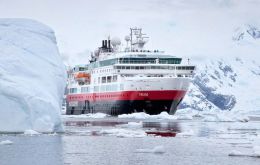
Two polar associations have developed standards for field staff working on expedition cruise vessels in polar regions. The Association of Arctic Expeditions Operators, AECO, and the International Association of Antarctic Tour Operators, IAATO, agreed on guidelines that have been adopted as industry standards.
-
Friday, October 23rd 2020 - 09:14 UTC
South Georgia message to potential visitors, “If you can get here, we are open”
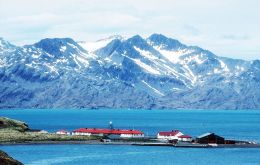
During the uncertain times, the pandemic has presented, the Government of South Georgia & the South Sandwich Islands were glad to be able to speak directly to tourism industry representatives last August during a virtual meeting hosted by IAATO, reports the August/September South Georgia Newsletter.
-
Thursday, October 22nd 2020 - 08:50 UTC
Britain's new polar ship Sir David Attenborough begins sea trials
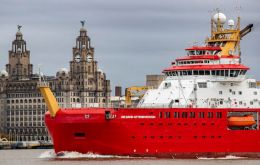
Britain's new polar ship, RRS Sir David Attenborough, has left her Merseyside construction yard. Sirens and accompanying tugboats marked the Attenborough's departure from builder Cammell Laird's wet dock at Birkenhead. Four years in the making, the £200m vessel is about to venture out on a series of sea trials.
-
Tuesday, October 20th 2020 - 09:38 UTC
CCAMLR: 287 women scientists call for a Marine Protected Area in western Antarctic Peninsula
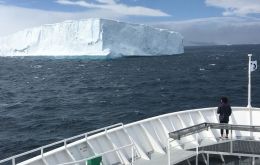
Climate change and human activity are harming Antarctica and threatening wildlife from humpback whales to microscopic algae, more than 280 scientists and conservation experts say in urging protections for the icy region.

