MercoPress. South Atlantic News Agency
Argentina
-
Wednesday, June 13th 2012 - 06:17 UTC
Ahead of G20 summit Brazil conditions IMF support and wants stimulus policies
The amount of additional money Brazil plans to contribute to the IMF will depend on commitments to bolster the influence of emerging-market nations at the global lender, a senior Brazilian government official said on Tuesday.
-
Wednesday, June 13th 2012 - 06:11 UTC
Argentina pledges to pay bonds in US dollars and denies ‘pesification’ of contracts

Argentine President Cristina Fernandez pledged Tuesday to make an upcoming 2.2 billion dollars Boden 2012 bond payment in US dollars, rejecting recent speculation that the government would try to pay some or all of its foreign-currency-denominated debt in Argentine pesos.
-
Wednesday, June 13th 2012 - 04:50 UTC
Falklands’ referendum has “no value” and does not change Argentina’s position

Argentine ruling coalition lawmakers rejected point blank the referendum on the Falkland Islands’ political status announced for 2013 by the Falklands elected government, and claimed it was a media stunt to distract attention from Argentine president Cristina Fernandez presentation before the UN Decolonization committee.
-
Wednesday, June 13th 2012 - 04:46 UTC
US “remain neutral” in Malvinas dispute, following referendum announcement

The US has stated that it will remain neutral in the Falklands/Malvinas Islands sovereignty dispute between Argentina and the United Kingdom, said the spokesperson of the US State Department’s Victoria Nuland after the announcement that the Islanders will hold a referendum in 2013 to decided whether they want to remain British or not.
-
Tuesday, June 12th 2012 - 09:41 UTC
Young Falkland Islanders want to present strong message to Cristina Fernandez

A group of young Falkland Islanders hope to present Argentine President Cristina Fernandez with a firm message at the UN in New York that they want to remain British subjects and continue their current way of life.
-
Tuesday, June 12th 2012 - 09:35 UTC
YPF will no longer contract British-flagged vessels for the transport of oil

A small group of protesters burned a British flag Monday outside the headquarters of Argentina's oil company in Buenos Aires, saying YPF SA should stop using tankers that fly flags from the British Commonwealth.
-
Tuesday, June 12th 2012 - 09:25 UTC
Argentina blasts UK arrogance and “end of war celebration” in Falklands
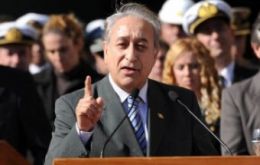
Argentine Defence Minister Arturo Puricelli said on Monday that the United Kingdom maintains its “arrogance and haughtiness” over the Malvinas sovereignty issue as the 30th anniversary of the end of the war approaches.
-
Tuesday, June 12th 2012 - 09:09 UTC
C24 chair says Falklands issue is over sovereignty, not exactly decolonization
The UN Special Committee on Decolonisation launched on Monday a new round of sessions with much attention focused on the Falklands/Malvinas dispute since Argentine president Cristina Fernandez next Thursday will become the first head of state to address the C24.
-
Tuesday, June 12th 2012 - 09:04 UTC
UK reply to Argentina on Falklands/Buenos Aires flights and fisheries next week

Foreign Office minister for Latin American affairs Jeremy Browne anticipated that next week there will be a “substantial reply” to Argentina’s proposal for three monthly flights between Buenos Aires and the Falklands and the resumption of negotiations over fisheries conservation in the South Atlantic, but in noy way linked to any sovereignty discussions.
-
Tuesday, June 12th 2012 - 08:53 UTC
A museum paying homage to those who fought on both sides

Over the last thirty years the National Malvinas War museum of Argentina in the city of Oliva in the province of Cordoba, has become the country’s largest and most important of its sort