MercoPress. South Atlantic News Agency
Economy
-
Thursday, September 18th 2014 - 06:13 UTC
Brazil's Embraer sells 50 E-175 jets, 70/134 pax segment, to Republic Airways
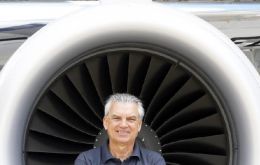
Brazilian aircraft manufacturer Embraer said on Wednesday it has reached an agreement to sell 50 E175 jets to U.S. regional operator Republic Airways Holdings for 2.1 billion dollars.s6u
-
Thursday, September 18th 2014 - 05:46 UTC
US dollar at new record in Argentina; Kicillof blames 'holdouts' and the US embassy
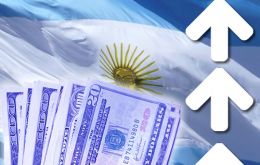
The informal rate of the US dollar hit a new historic peek on Wednesday in Argentina, breaking the 15 pesos barrier and closing at 15.10 pesos, pushed by rate speculation, and following yesterday’s sharp 25-cents climb. Economy minister Axel Kicillof blamed the 'holdouts' and the US embassy for the latest surge.
-
Thursday, September 18th 2014 - 05:30 UTC
Fed evasive about when it will begin to raise interest rates, “considerable time”
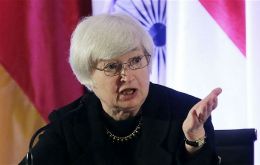
The US Federal Reserve has reiterated that it will raise interest rates once a “considerable time” has passed after its stimulus program ends in October. The announcement came at the end of a two-day meeting of the central bank's policy committee in Washington DC.
-
Thursday, September 18th 2014 - 05:14 UTC
Philip Morris determined to make its legal battle over cigarette labeling with Uruguay, a lesson for other countries

Whether you’re a Marlboro man or a Benson & Hedges smoker, if you pick up a pack in the South American nation you will be greeted by an image of decaying teeth, premature babies, horrific hospital scenes or some other terrifying scenario.
-
Thursday, September 18th 2014 - 03:08 UTC
The Scottish referendum
By Gwynne Dyer - If the Scots vote “yes” to independence on Sept. 18, as one opinion poll now suggests they will, three things are likely to happen in the following week.
-
Wednesday, September 17th 2014 - 05:20 UTC
US dollar reaches new record in Argentina; the 'Dolar Demichelis' forecasted
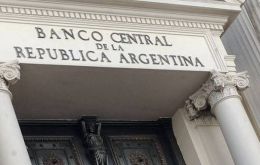
The US dollar in the informal market reached a new record high against the Argentine Peso at the end of trading on Tuesday. Earlier in the day the Central bank reported the biggest one-day drop in its international reserves since July 30.
-
Wednesday, September 17th 2014 - 04:20 UTC
Mantega announces yet another stimulus package for Brazil's economy
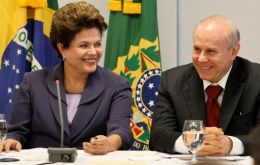
Finance Minister Guido Mantega presented on Monday a package of tax measures aimed at stimulating Brazil's economy less than a month ahead of the presidential election.
-
Wednesday, September 17th 2014 - 01:11 UTC
Argentina warns US acting ambassador on 'default' statements and 'deplores lack of support'
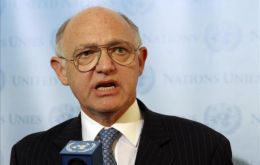
United States interim ambassador to Argentina Kevin Sullivan was summoned to foreign minister Hector Timerman's office and was informed of ”the profound and firm rejection of the Argentine government to the US diplomat’s inappropriate statements”, according to the statement from the ministry made public on Tuesday.
-
Tuesday, September 16th 2014 - 05:57 UTC
VisitBritain: UK to refund cost of visa for Chinese tourists in organized groups
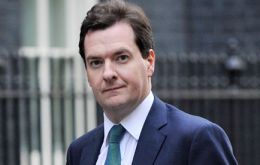
British Chancellor George Osborne has announced plans to refund the cost of up to 25,000 visas for Chinese tourists in an attempt to attract more visits to the UK. It was one of a series of measures announced at an economic summit in London, attended by Chinese vice premier Ma Kai.
-
Tuesday, September 16th 2014 - 05:50 UTC
HSBC reached 550m agreement with US banking regulators
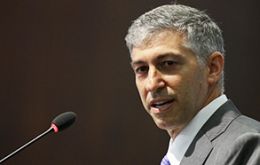
HSBC Holdings will pay 550 million dollars to resolve a US regulator's claims that the British bank made false representations in selling mortgage bonds to the federal mortgage companies Fannie Mae and Freddie Mac before the financial crisis.

