MercoPress. South Atlantic News Agency
Mercosur
-
Thursday, May 17th 2012 - 10:17 UTC
Argentina en route to become the “Greece of Latin America” claim Chilean exporters
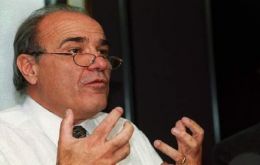
Argentina could rapidly become the “Greece of Latin America” given the trade restrictions it has imposed born out of the lack of sufficient hard currency to face its international commitments, according to Chile’s Manufacturing and Services Exporters Association, Roberto Fantuzzi.
-
Wednesday, May 16th 2012 - 01:27 UTC
Brazilian discomfort: ends automatic import licences for Argentine perishables
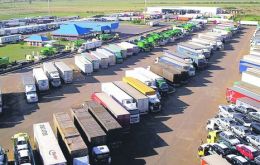
Brazil this week escalated a growing trade fight with Argentina by increasing the bureaucratic obstacles for importing about 10 perishable products including apples, raisins, and potatoes, a senior Brazilian government official was quoted by the media.
-
Friday, May 11th 2012 - 01:24 UTC
Brazil underlines the “great political convergence” with Argentina in spite of trade differences
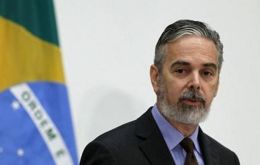
Foreign Minister Antonio Patriota praised the “great political convergence” between Argentina and Brazil and assured that any existing problems related to the bilateral trade “do not tarnish this very strong reality.”
-
Wednesday, May 9th 2012 - 20:56 UTC
Mercosur “going through its worst moment in history” claims Uruguay
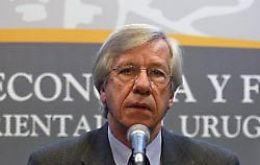
Uruguay’s Vice-president Danilo Astori said Mercosur is going through its worst moment in history because some of its members in practical terms “are denying the most basic principles”.
-
Tuesday, May 8th 2012 - 02:06 UTC
Mercosur “needs to be reborn” with an honest integration spirit, says Cardoso
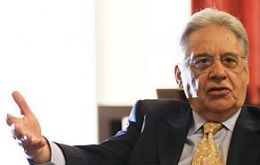
Brazilian former president Fernando Henrique Cardoso said that Mercosur “needs to be reborn but with a real integration spirit among its members” leaving behind such ambitions as the mirror of the European Union.
-
Monday, May 7th 2012 - 04:59 UTC
Soybeans becomes Uruguay’s main export item, estimated at 1.1bn in 2012
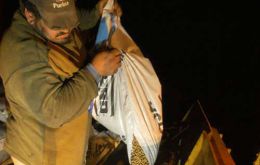
Soybeans are set to establish several records this year in Uruguay: exports will be above one billion dollars; for the first time the oilseed will be the leading export item of the country displacing beef and prospects for the next season are that over a million hectares will be planted.
-
Saturday, May 5th 2012 - 06:26 UTC
Uruguay supports Argentina’s seizure of YPF but countries decide “proceedings”
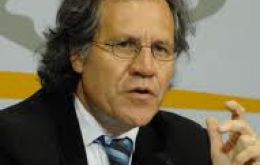
Uruguayan Foreign Minister Luis Almagro backed Argentina’s controversial decision to nationalize the country's biggest oil company YPF arguing countries’ right to recover a strategic market is “indisputable”.
-
Thursday, April 26th 2012 - 06:10 UTC
“Land grabbing” and the concentration process in Mercosur members
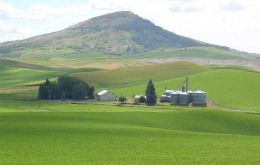
The processes of concentration, foreign ownership and land degradation came to be a central concern of supranational bodies and NGOs that warn, like the United Nations Organizations for Food and Agriculture Organization (FAO), of the “negative effects of these phenomena on food security, agricultural employment and the development of family farming.”
-
Thursday, April 26th 2012 - 01:23 UTC
YPF dispute has meant a “disruption of trust” between the EU and Mercosur

European Commission Deputy Director General for Enterprise and Industry Daniel Calleja warned on Wednesday that Europe has lost its trust in Mercosur trade block after the government announced it would expropriate 51% of YPF shares, owned by Spanish oil company Repsol.
-
Wednesday, April 25th 2012 - 06:41 UTC
Fitch upgrades rating outlook to positive; warnings about Argentina and inflation

Fitch Ratings revised Uruguay's rating outlook to positive from stable on Tuesday, citing the country's ability to cut external and budget vulnerabilities. However Fitch warns about the deteriorating situation in neighbouring Argentina and inflation.