MercoPress. South Atlantic News Agency
Tag: oil price
-
Monday, September 12th 2011 - 20:56 UTC
OPEC forecasts slower global oil demand and production
OPEC cut its forecast Monday for global oil demand and production, citing the slowing economic recovery. In its monthly report, the Organization of Petroleum Exporting Countries said it expected demand growth to drop to 1.1 million barrels per day -- 150,000 barrels per day fewer than its earlier forecasts.
-
Saturday, August 20th 2011 - 06:52 UTC
Latam markets follow world trend but fall less than the US and EU

Latin American stocks fell on Friday as deepening fears of a US recession and a wider financial crisis that could result from Europe's debt troubles kept investors cautious.
-
Tuesday, August 9th 2011 - 07:37 UTC
Gold soars to 1.700 dollars as world markets are on free-fall fearing recession

Asian equity markets were sharply down early Tuesday as investors fearing a possible global economic slowdown continued to flee stocks as had happened earlier in Europe, United States and Latin America.
-
Thursday, June 9th 2011 - 05:42 UTC
OPEC fails to reach agreement on production targets for the first time in 20 years

Oil rose for a third day in New York after OPEC failed to reach an agreement on production targets for the first time in at least 20 years and U.S. crude inventories fell more than analysts forecast.
-
Friday, May 6th 2011 - 00:03 UTC
Commodity prices fall for the fourth day running; oil below 100 USD per barrel
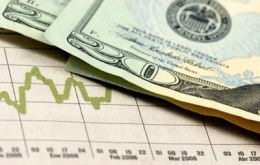
Commodity prices fell on Thursday for a fourth day, following weak economic news from Europe and the US. Oil prices were down 10% at one stage, with US light, sweet crude ending the day below 100 US dollars a barrel.
-
Friday, April 29th 2011 - 05:21 UTC
Oil soars to its highest in 31 months and US dollar plunges to three year low

United States crude oil futures rose Thursday to hit a 31-month high settlement after a volatile trading session while the US dollar fell to a three-year low against major currencies following on the Federal Reserve's intention to keep interest rates near zero.
-
Tuesday, April 26th 2011 - 21:26 UTC
Obama says there’s no magic bullet to bring down oil prices
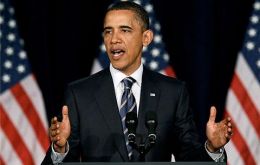
President Barack Obama has told fellow citizens there is no “magic bullet” to bring down high petrol prices and said he wants to end what he called US$4 billion in taxpayer subsidies to oil and gas companies.
-
Saturday, April 9th 2011 - 07:56 UTC
Oil prices surge to a 2.5 year high on concerns about supply and the dollar

Oil prices have surged to a two-and-a-half-year high on concerns about supply and a weaker dollar. Brent crude topped $126, while US crude was at $112.79.
-
Tuesday, April 5th 2011 - 09:18 UTC
Crude at highest in 30 months pushed by US recovery and political turbulence
Oil climbed to the highest level in 30 months in New York on Monday on speculation that US economic growth may support demand and a protracted conflict in Libya will curtail supply.
-
Wednesday, March 9th 2011 - 05:22 UTC
Oil prices ease as OPEC begins talks to increase output replacing Libya

Oil dropped for a second day in New York as members of the Organization of Petroleum Exporting Countries considered talks about increasing production because violence is disrupting supplies from Libya.