MercoPress. South Atlantic News Agency
Argentina
-
Thursday, October 11th 2018 - 16:47 UTC
Pensions way behind inflation, admits Argentine bureau chief

Argentina's Pensions Bureau (ANSES) Director Emilio Basavilbaso Wednesday acknowledged that inflation has rapidly outpaced what senior citizens collect monthly.
-
Thursday, October 11th 2018 - 16:31 UTC
Beef trade falls in Argentina due to crisis

Argentina's beef market fell 16.7% in September due to the country's crisis amid “worsening macroeconomic conditions,” according to the Chamber of Industry and Meat Trade (CICCRA).
-
Thursday, October 11th 2018 - 08:45 UTC
Macri administration reverses latest cooking gas price increase following public outrage

Argentina will pay for unforeseen increases in the cost of cooking gas following public outrage and opposition in Congress to stymie the plan which would have seen consumers paying increased gas prices in 24 installments from January 2019.
-
Thursday, October 11th 2018 - 08:44 UTC
Argentina attracting more tourists while less Argentines travelling overseas
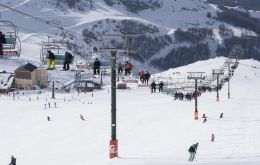
The number of incoming tourists to Argentina is increasing month after month since the drastic devaluation of the local currency, while outgoing tourism has dropped significantly. According to the latest release from the country's stats office, Indec, 224.000 tourists arrived in Argentina during August, 7.4% more than a year ago, while residents travelling overseas dropped 11.9%, to 335.300.
-
Thursday, October 11th 2018 - 08:17 UTC
Ex Kirchner minister sentenced to prison for responsibility in Argentina's deadliest train accident

A court convicted a former Argentine federal planning minister Wednesday of contributing to a deadly 2012 train crash by failing to oversee the operations of commuter railways.
-
Wednesday, October 10th 2018 - 06:24 UTC
Argentina complains coming Falklands’ military exercises and missile firings

Argentina has protested the coming military exercises in the Falkland Islands and has complained to the British Embassy in Buenos Aires, and anticipated it will notify the situation to the United Nations and the International Maritime Organization.
-
Tuesday, October 9th 2018 - 21:29 UTC
IMF foresees 2.6% GDP drop for Argentina this year - inflation 40%

Argentina's GDP will fall 2.6% and inflation will reach 40% this year, according to the International Monetary Fund's Global Perspectives Report released Monday at the beginning of the body's annual Assembly in Bali, Indonesia.
-
Monday, October 8th 2018 - 17:23 UTC
Mar del Plata route becomes new lead in search for ARA San Juan

Efforts to retrieve the missing Argentine Navy submarine ARA San Juan changed course Sunday and now everything is “Area 6” for the operation, as the ship Seabed Constructor deployed its robots throughout it, the last one to be added to the search.
-
Monday, October 8th 2018 - 08:17 UTC
Double purpose rocket launch: Argentine satellite for farmers and recovering first stage
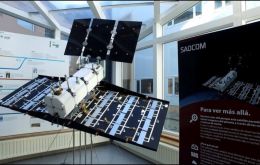
A SpaceX Falcon 9 rocket carrying an Argentine satellite has blasted off from California. The primary purpose of Sunday's mission is to place the SAOCOM 1A satellite into orbit, but SpaceX will also try for the first time to bring the Falcon's first stage back to a landing at the Vandenberg Air Force Base launch site.
-
Sunday, October 7th 2018 - 11:03 UTC
UK embassy in Argentina announces finalists of Falklands Regional Student Competition
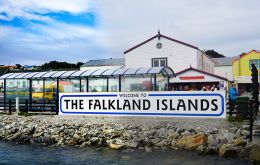
The British Embassy in Argentina has announced the 10 finalists of the Regional Student Competition 2018/2019 which offers a one week trip to visit the Falkland Islands.