MercoPress. South Atlantic News Agency
Economy
-
Thursday, May 17th 2012 - 10:17 UTC
Argentina en route to become the “Greece of Latin America” claim Chilean exporters
Argentina could rapidly become the “Greece of Latin America” given the trade restrictions it has imposed born out of the lack of sufficient hard currency to face its international commitments, according to Chile’s Manufacturing and Services Exporters Association, Roberto Fantuzzi.
-
Thursday, May 17th 2012 - 03:54 UTC
UK decouples from European bailout agreement to protect the single currency

The UK will be exempt from a new European bailout agreement between Euro-zone countries according to a EU Treaty Amendment Bill introduced to the House of Lords this week by Foreign office minister Lord Howell.
-
Wednesday, May 16th 2012 - 22:19 UTC
Paraguay’s beef exports picking up after two outbreaks of FMD
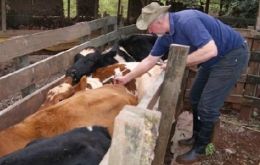
Paraguay’s meat exports totalled 285 million dollars in the first four months of the year, which makes it the second best four-months for the industry in recent years, said German Ruiz, head of the country’s Rural Association.
-
Wednesday, May 16th 2012 - 06:51 UTC
“I’m predictable, no shocks” says CFK after Tuesday’s mini run on the US dollar

After a day of intense trading in the ‘blue’ (informal) market for US dollars which reached a new high of 5.50 Pesos, Argentine President Cristina Fernández assured on Tuesday evening that there will be no economic ‘shocks’ or a ‘system of multiple exchange rates’ as “has been rumoured during the whole day”.
-
Wednesday, May 16th 2012 - 06:13 UTC
Serious Uruguay/Argentina clash over the long delayed dredging of a River Plate canal
Uruguay called on Argentina to begin the price bidding process for the delayed dredging of a River Plate canal and revealed it was already monitoring the Uruguayan side of a joint commission responsible for deciding on the final contract and which has come under suspicion of corruption.
-
Wednesday, May 16th 2012 - 04:01 UTC
Merkollande admit differences but call for unity and growth in the Euro zone
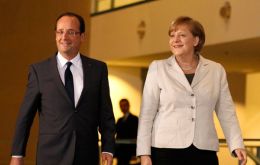
Despite their differences over how to drag Europe out of its current economic swamp, German and French leaders pledged to join efforts in reinvigorating growth in the continent during their first meeting on Tuesday.
-
Wednesday, May 16th 2012 - 03:17 UTC
US dollar in Argentina’s ‘blue’ (parallel) market soars 5% on Tuesday
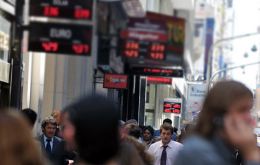
The US dollar in Argentina’s parallel market soared on Tuesday as strong unsatisfied demand moved to the so called ‘blue’ market as a result of the increasing controls for the purchase of the greenback.
-
Wednesday, May 16th 2012 - 01:27 UTC
Brazilian discomfort: ends automatic import licences for Argentine perishables
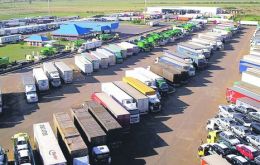
Brazil this week escalated a growing trade fight with Argentina by increasing the bureaucratic obstacles for importing about 10 perishable products including apples, raisins, and potatoes, a senior Brazilian government official was quoted by the media.
-
Wednesday, May 16th 2012 - 01:15 UTC
Colombia/US free trade agreement expected to create 100.000 jobs per year
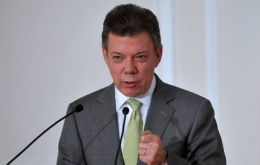
The long-delayed free-trade deal between Colombia and the United States came into force on Tuesday, a step that should boost the country’s exports and foreign investment, President Juan Manuel Santos said.
-
Wednesday, May 16th 2012 - 01:07 UTC
Brazil planning to cut taxes on electricity to help reduce industry costs
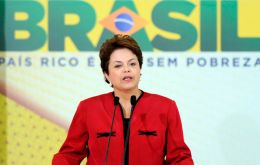
The Brazilian government has plans to cut and simplify taxes for electricity producers and distributors as part of a strategy to reduce Brazil's high business costs and stimulate its struggling economy, reports Reuters.