MercoPress. South Atlantic News Agency
Economy
-
Sunday, November 4th 2018 - 15:02 UTC
Fuel goes up 7% in Argentina, 14th increase in 2018 to reach a total 65% this year
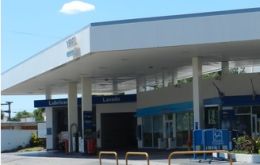
The retail price of fuel went up around seven percent this weekend in Argentina, for an aggregate 65 percent yearly rise that led impoverished consumers to use other transport means to make up for it.
-
Saturday, November 3rd 2018 - 08:30 UTC
UK and EU advance in financial issues relating to London as global center
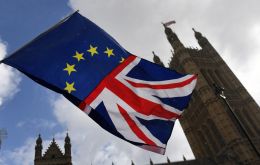
The United Kingdom and the European Union have made progress on a deal to give London’s dominant financial center basic access to EU markets after Brexit, two British officials said, but no agreement has yet been clinched.
-
Saturday, November 3rd 2018 - 08:24 UTC
US economy adds 250.000 jobs, and wages rise at their fastest pace in nine years

Wages in the United States grew at their fastest pace for nine years last month, the latest official figures show. The US Labor Department said wages grew at an annual rate of 3.1% in October, accelerating from a rate of 2.8% the month before. The economy also added 250,000 jobs last month, beating expectations, while the jobless rate remained at 3.7%.
-
Saturday, November 3rd 2018 - 08:01 UTC
Booming US economy sees September trade deficit reach it highest in seven months
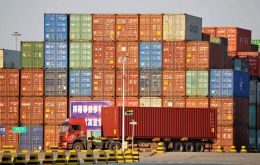
A hungry American economy powered by a strong U.S. dollar saw record imports in September, driving the U.S. trade deficit to its highest level in seven months, the government reported on Friday.
-
Saturday, November 3rd 2018 - 07:57 UTC
Brazilian manufacturing activity and staff hiring expanded in October
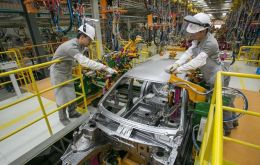
Manufacturing activity in Brazil expanded in October as strong demand prompted firms to increase payrolls for the first time in three months, bolstering the outlook for a steady economic recovery. The Purchasing Managers' Index calculated by research firm Markit rose to 51.1 from 50.9 in September, holding above the 50 threshold separating a contraction from an expansion for a fourth straight month.
-
Saturday, November 3rd 2018 - 07:47 UTC
Argentina, Japan and EU supporting US drive for greater transparency at WTO
Argentina, Costa Rica, Japan and the European Union are supporting a U.S. drive to enforce greater transparency and discipline at the World Trade Organization, an updated proposal published by the WTO showed on Friday.
-
Saturday, November 3rd 2018 - 06:30 UTC
Havana reacts to new Trump sanctions: “they will not break the will of Cubans”
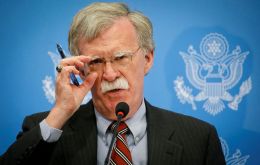
Cuba on Friday said new sanctions planned by the United States were a futile attempt to change its policies and would only further isolate Washington internationally.
-
Friday, November 2nd 2018 - 09:03 UTC
Multilateral banks provide Argentina three loans totaling US$ 1.8 billion
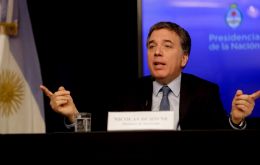
The World Bank and the Inter-American Development Bank are providing Argentina with three loans totaling more than US$1.8 billion, aiming to help the country cope with financial difficulties and support citizens most at risk.
-
Friday, November 2nd 2018 - 09:01 UTC
Strong recovery of Argentine and Brazilian markets on signs of an improved Sino-US trade scenario
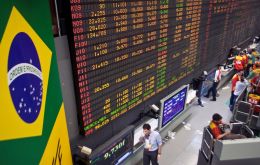
Latin American stocks soared on Thursday with Brazil shares touching an all-time high and Argentina's Merval stock index jumping 6,2%, as global risk appetite recovered on strong corporate earnings and signs that the Sino-U.S. trade war could be contained.
-
Friday, November 2nd 2018 - 08:18 UTC
Brussels and London play down speculation about a breakthrough in Brexit talks
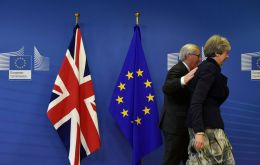
Brussels and Downing Street have played down speculation about a breakthrough in Brexit talks. Reports that a Brexit deal could safeguard the City’s access to European Union markets led to an increase in the value of sterling.