MercoPress. South Atlantic News Agency
Latin America
-
Tuesday, December 18th 2018 - 08:00 UTC
García Márquez relative rescued from kidnappers in Colombia after 3 months
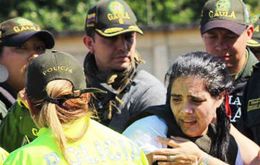
Melissa Martínez García, a relative of the late Nobel Literature Prize winner Gabriel Garcia Marquez has been freed after being kidnapped and held for ransom for over three months, Colombian authorities announced Monday.
-
Tuesday, December 18th 2018 - 07:48 UTC
Evo to attend Bolsonaro's inauguration in Brasilia Jan. 1
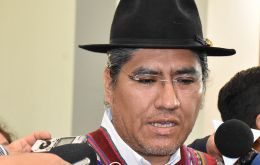
Bolivia's President Evo Morales will attend the inauguration of Brazil's new president, Jair Bolsonaro, on January 1 in Brasilia, Foreign Minister Diego Pary announced Monday.
-
Monday, December 17th 2018 - 18:47 UTC
Cubans outraged on social media over shortage of bread
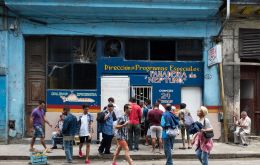
With 3G technology available only a fortnight ago, Cubans took their anger over to social media to complain for the shortage of bread on the island.
-
Sunday, December 16th 2018 - 15:39 UTC
AMLO announces plan to reshape Mexico's oil production
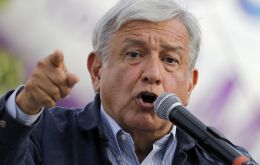
Mexican President Andrés Manuel López Obrador, commonly referred to by his acronym as AMLO, Saturday launched the National Plan for the Production of Hydrocarbons in a move to strengthen the country's oil industry.
-
Saturday, December 15th 2018 - 09:34 UTC
UN forecasts 2 million Venezuelans will emigrate in 2019
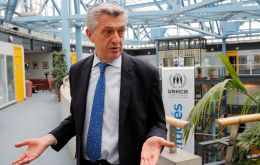
Around two million more Venezuelans are expected to flee their country during 2019, according to a United Nations forecast released Friday in Geneva. If true, the total number of Venezuelan migrants could reach 5.3 million a year from now.
-
Saturday, December 15th 2018 - 09:20 UTC
Investigation into the death of Guatemalan child in the custody of US Border Patrol
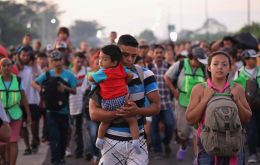
An investigation has been launched after a seven-year-old girl died while in the custody of the US Border Patrol. The Guatemalan child, named as Jakelin Caal Maquin, was detained last week after crossing the US-Mexico border with her father, officials say.
-
Saturday, December 15th 2018 - 04:32 UTC
ALBA - TCP renews commitment against US influence in the region at Havanna Summit
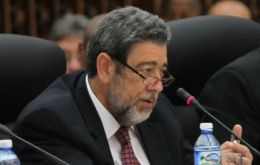
Latin American leftwing governments which strongly oppose Washington's policies for the region gathered in Havanna at the XVI Summit of the Bolivarian Alliance for the Peoples and the Treaty of Commerce of the Peoples (ALBA - TCP) to renew their regional commitment.
-
Friday, December 14th 2018 - 20:07 UTC
Attack on Venezuelan opposition leader said to be slow-motion assassination
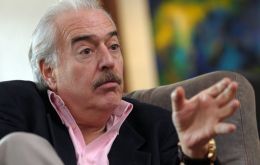
Former Colombian President Andrés Pastrana said Wednesday's attack against Venezuelan opposition leader María Corina Machado was to poison her with a delayed-effect substance.
-
Friday, December 14th 2018 - 16:42 UTC
Nicaragua strips 5 more NGOs from legal status - most of them led by prominent Sandinists
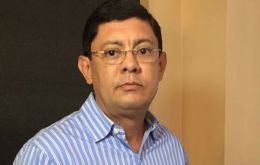
Nicaragua's Parliament Thursday stripped five Non Government Organisations from their legal status on the grounds that a report from the Ministry of the Interior said they were part of a group behind “the failed coup attempt” against President Daniel Ortega, to bring the total number of NGOs to have received the same treatment over the past two weeks to nine.
-
Friday, December 14th 2018 - 09:13 UTC
Evo compares himself with Messi and Cristiano Ronaldo
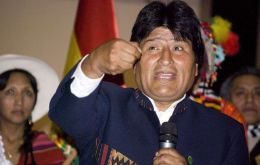
Bolivian President Evo Morales Thursday downplayed criticism against him being allowed to seek yet another reelection despite a constitutional ban and the “nay” victory at the February 21, 2016 referendum with which he tried to circumvent it by saying it would be as if stars Lionel Messi and Cristiano Ronaldo could not play for their national football teams.

