MercoPress. South Atlantic News Agency
Latin America
-
Saturday, September 26th 2026 - 11:06 UTC
De la Espriella announces the reopening of oil exploration in Colombia, including fracking
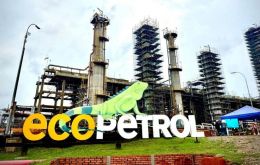
Colombian President Abelardo de la Espriella announced on Friday that his government will “fully” reopen hydrocarbon exploration and the signing of new contracts, including hydraulic fracturing, during the swearing-in of businessman Joaquín Gutiérrez as president of Ecopetrol, the country's largest company.
-
Friday, September 25th 2026 - 10:41 UTC
“The UN has more reason to exist every day”, Uruguay's president said two days after Milei
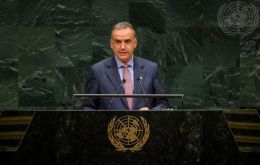
Uruguayan President Yamandú Orsi defended the United Nations' relevance and condemned the economic embargo on Cuba before the General Assembly on Thursday, in an address of just under twenty minutes that contrasted with that of his Argentine counterpart, Javier Milei, two days earlier from the same podium.
-
Tuesday, September 22nd 2026 - 10:30 UTC
De la Espriella skips the UN and delegates Colombia's address to his vice president
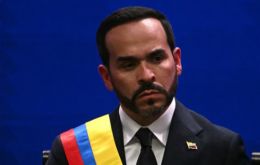
Colombian President Abelardo de la Espriella will not attend the United Nations General Assembly and has delegated the country's address to his vice president, José Manuel Restrepo, scheduled for Thursday afternoon, September 24. It is the first time in recent history that a Colombian vice president has taken on that role.
-
Thursday, September 17th 2026 - 08:35 UTC
US removes Venezuela and Bolivia from list of countries failing on drugs
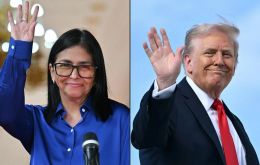
The United States government removed Venezuela and Bolivia from the category of countries that Washington says have failed to demonstrably combat international drug trafficking, while keeping Colombia, Afghanistan and Myanmar on that list. The determination, sent to Congress on Tuesday and released by the State Department on Wednesday, is part of the annual assessment of the 23 countries deemed major drug transit or producing states, five of which had been designated last year as having “failed demonstrably.”
-
Thursday, September 10th 2026 - 21:45 UTC
Peru joins the Americas Shield during Rubio's visit to Lima
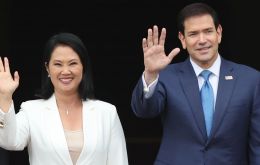
Peru will join the Americas Shield, the US-backed security coalition against transnational organized crime, President Keiko Fujimori announced on Thursday after meeting US Secretary of State Marco Rubio at the Government Palace.
-
Wednesday, September 9th 2026 - 09:33 UTC
Colombia's human rights ombudsman challenges De la Espriella over display of bodies
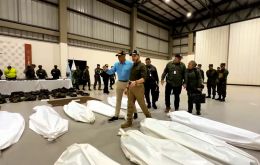
Colombia's human rights ombudsman has challenged President Abelardo de la Espriella over the release of footage showing him walking among the bodies of suspected FARC dissident fighters killed in a military operation, in the first public disagreement between the rights body and the government that took office on August 7.
-
Wednesday, September 9th 2026 - 06:32 UTC
Latin America falls back in PISA 2025 as Argentina posts its worst score since 2006

All 13 Latin American countries assessed in the PISA 2025 report, released Tuesday, scored below the OECD averages in the three subjects measured, in an edition marked by broad declines and by Argentina's worst performance since it began taking part in the test.
-
Monday, September 7th 2026 - 08:52 UTC
De la Espriella completes his first month with a full reversal of Petro's diplomacy
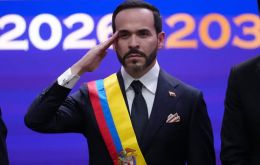
Colombian President Abelardo de la Espriella completed his first month in office on Monday with a series of foreign policy decisions that reverse his predecessor Gustavo Petro's approach and tighten alignment with the United States and Israel.
-
Thursday, September 3rd 2026 - 08:11 UTC
Lenín Moreno and a former Chinese ambassador convicted over bribes at Ecuador's largest dam
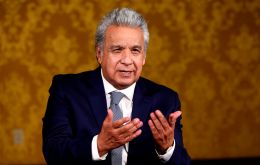
A court of Ecuador's National Court of Justice on Friday sentenced former president Lenín Moreno to five years in prison for bribery, in the case over kickbacks linked to the construction and financing of the Coca Codo Sinclair hydroelectric plant. The same sentence was handed to China's former ambassador in Quito, Cai Runguo, and to former representatives of the Chinese state builder Sinohydro, Yang Huiju and Song Dongsheng.
-
Thursday, September 3rd 2026 - 00:31 UTC
Eight Months After Maduro's Capture, Venezuela's Oil Boom Has Outrun Latin America's Sovereignty Debate
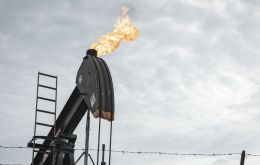
When Colombian former President Gustavo Petro convened an emergency CELAC session in the first week of January, the assumption in most South American foreign ministries was that the region would answer the United States with one voice. Eight months later, the answer is still fragmented — and Venezuela's oil is flowing north at a rate not seen in two decades.

