MercoPress. South Atlantic News Agency
Economy
-
Wednesday, December 4th 2019 - 09:20 UTC
Huge national strike challenges Macron's pension system overhaul
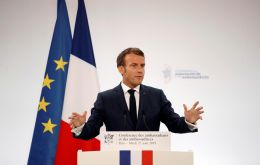
Trains cancelled, schools closed: France scrambled to make contingency plans on Tuesday for a huge strike against pension overhauls that poses one of the biggest challenges yet to President Emmanuel Macron's sweeping reform drive.
-
Tuesday, December 3rd 2019 - 09:45 UTC
Brazilian unemployment statistically stable at 11.6% in the Aug/Oct quarter
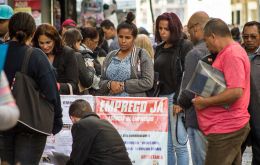
Brazil's unemployment rate fell to 11.6% in the quarter ending in October, from 11.8% in the quarter ending in July, the country's Institute of Geography and Statistics (IBGE) announced. The rate also fell slightly, compared with the same period of 2018 when it was at 11.7%.
-
Tuesday, December 3rd 2019 - 08:52 UTC
US react to French digital services tax threatening with duties on champagne and cheese

The U.S. government on Monday said it may slap punitive duties of up to 100% on US$2.4 billion in imports from France of Champagne, handbags, cheese and other products, after concluding that France’s new digital services tax would harm U.S. tech companies.
-
Monday, December 2nd 2019 - 19:23 UTC
Trump reinstates tariffs on Argentine, Brazilian metals to stand for US farmers
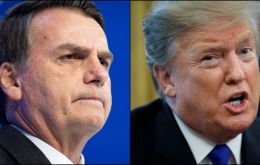
United States President Donald Trump Monday announced he would be reimposing tariffs on imports of metals from Argentina and Brazil as a result of those two countries' devaluing their respective currencies “which is not good for our farmers.” Trump made the statement through his Twitter account.
-
Monday, December 2nd 2019 - 09:29 UTC
3 reasons why Latin America has erupted in protests
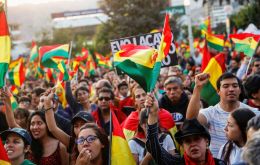
From Chile to Venezuela and Bolivia to Nicaragua, it’s no understatement to say that Latin America is on fire.
-
Sunday, December 1st 2019 - 01:34 UTC
Argentina and Brazil elected members of the IMO Council for 2020/21

Argentina and Brazil have been elected as members States of the International Maritime Organization Council for the 2020/21 biennium. IMO is holding its 31st Assembly meeting in London at IMO Headquarters until December 4.
-
Sunday, December 1st 2019 - 01:07 UTC
Rioting Chile forced to cancel the football season and motor rally activities

The football federation in Chile has announced it is to cancel the rest of the season due to security concerns following weeks of anti-government protests. All matches were suspended when the violence began six weeks ago.
-
Saturday, November 30th 2019 - 07:53 UTC
Lower trade barriers helped faster economic and wage growth in Latin America, IDB report

Latin America and Caribbean region saw faster economic and wage growth thanks to a lowering of trade barriers, a new report by the Inter-American Development Bank shows. The study also provides policy recommendations to ensure the region is better positioned to take advantage of trade liberalization and make its benefits more tangible to citizens.
-
Saturday, November 30th 2019 - 07:20 UTC
Uruguay expects some 200 cruise calls this 2019/20 season

Uruguay is expecting some 200 cruise calls this 2019/20 season, which is 30% higher than in 2018/19, while Montevideo has become an exchange port for incoming and outgoing cruise passengers, given its good services and connectivity, announced Tourism minister Liliam Kechichian during the official launching of the current season.
-
Friday, November 29th 2019 - 09:26 UTC
Primary budget surplus during October in Brazil but nominal deficit stands at 6% of GDP

Brazil’s public finances improved in October, Treasury figures showed on Thursday, as a seasonally expected monthly surplus helped reduce the government’s overall deficit this year and keep it on track to come in below target.