MercoPress. South Atlantic News Agency
Tag: Iran
-
Tuesday, May 5th 2026 - 02:40 UTC
US destroys six Iranian boats while opening Strait of Hormuz to trade amid threatened ceasefire
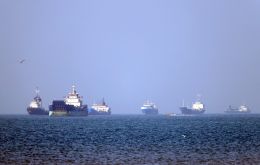
US military forces on Monday destroyed six Iranian Revolutionary Guard fast boats and neutralised cruise missiles and drones launched against warships and commercial vessels during the first day of “Project Freedom,” the operation announced by President Donald Trump to reopen the strategic Strait of Hormuz to maritime traffic. The two US destroyers that led the transit — the USS Truxtun and USS Mason — passed through the strait without being struck, despite what US Central Command described as a “sustained barrage” of Iranian threats.
-
Tuesday, April 28th 2026 - 19:20 UTC
United Arab Emirates leaves OPEC amid energy crisis fueled by Iran war
The United Arab Emirates announced on Tuesday its withdrawal from the Organization of the Petroleum Exporting Countries (OPEC) and the broader OPEC+ alliance, in a decision taking effect on May 1 that constitutes one of the most significant blows to the oil cartel in its more than six decades of existence. The announcement comes amid the largest energy crisis in years, triggered by the closure of the Strait of Hormuz during the war between the United States and Iran launched on February 28, and on the eve of the OPEC meeting scheduled for Wednesday in Vienna.
-
Thursday, April 23rd 2026 - 11:51 UTC
Iran attacks ships in Hormuz as Trump extends ceasefire without conditions and faces domestic backlash
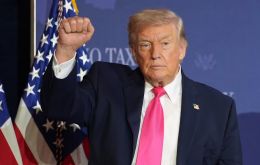
US President Donald Trump extended the ceasefire with Iran on Tuesday without setting a deadline, hours before his own two-week truce was set to expire without a deal. The decision came as Iran attacked two container ships in the Strait of Hormuz on Wednesday, with the White House declining to characterise the strikes as a ceasefire violation on the grounds that neither vessel was American or Israeli.
-
Thursday, April 23rd 2026 - 03:25 UTC
European airlines cut flights and raise fares as Iran conflict fuels jet fuel crisis
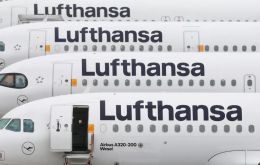
Lufthansa Group announced on Tuesday the cancellation of 20,000 short-haul flights from its summer schedule through October, the most significant measure taken so far by a European airline in response to soaring jet fuel prices driven by the conflict in Iran. The decision is part of a broader trend reshaping European aviation ahead of the peak travel season.
-
Tuesday, April 21st 2026 - 23:11 UTC
Trump extends Iran truce, demands “unified proposal” from Tehran to negotiate
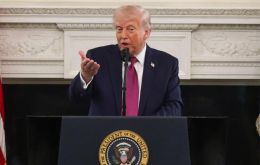
US President Donald Trump on Tuesday announced an indefinite extension of the ceasefire with Iran, hours before the two-week truce was set to expire, but maintained the naval blockade on Iranian ports and conditioned any diplomatic progress on Tehran presenting a “unified proposal” to resume negotiations.
-
Monday, April 20th 2026 - 06:13 UTC
US captures Iranian cargo ship that tried to evade Hormuz blockade as new round of talks is prepared
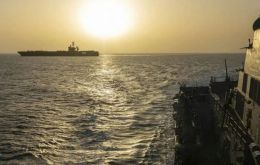
The US Navy fired on and boarded an Iranian-flagged cargo ship on Sunday in the Gulf of Oman, in the first naval seizure since Washington imposed a blockade on Iranian ports a week ago. Iran vowed retaliation, calling the operation an “act of piracy,” casting doubt on the second round of peace talks Trump announced for Monday in Islamabad.
-
Saturday, April 18th 2026 - 10:58 UTC
Iran closes Hormuz again after less than 24 hours as two ships report being fired upon
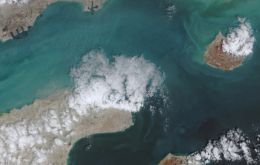
Iran's reopening of the Strait of Hormuz lasted less than 24 hours. The Islamic Revolutionary Guard Corps declared on Saturday that it had reimposed “strict control” over the maritime corridor, through which roughly one-fifth of the world's oil and liquefied natural gas transits. At least two vessels reported being hit by gunfire while attempting to cross the strait, according to three maritime security sources cited by Reuters. It has not been confirmed whether the shots caused damage.
-
Friday, April 17th 2026 - 21:42 UTC
Iran declares Hormuz “fully open” until ceasefire ends; Trump insists on keeping Iranian port blockade
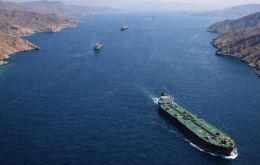
Iran announced on Friday that the Strait of Hormuz will remain “fully open” to merchant shipping until the ceasefire with the United States expires next Wednesday. The decision, linked to the start of the 10-day truce between Israel and Lebanon announced by Trump on Thursday, triggered an immediate drop in oil prices of nearly 10% and strong relief across global markets.
-
Friday, April 17th 2026 - 00:03 UTC
Trump says US “very close” to Iran deal and announces Israel-Lebanon ceasefire
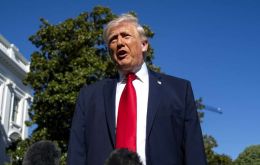
US President Donald Trump said on Thursday that Washington is “very close” to reaching a deal with Iran and announced that Israel and Lebanon have agreed to a 10-day ceasefire, in a day that combined diplomatic overtures with explicit threats to resume hostilities if Tehran does not accept American terms.
-
Monday, April 13th 2026 - 21:52 UTC
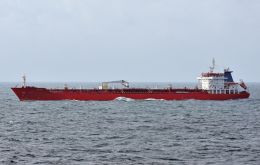
Tankers turn back at Hormuz as crude jumps over 4% on US blockade
Two oil tankers reversed course as they approached the Strait of Hormuz on Monday, just hours after the US naval blockade against Iranian ports took effect, according to maritime tracking platform MarineTraffic. Brent crude for June delivery closed up 4.4% at $99.36 per barrel, while US benchmark WTI rose 2.6% to $99.08, according to Bloomberg.